
A Year of Disruption and Adaptation
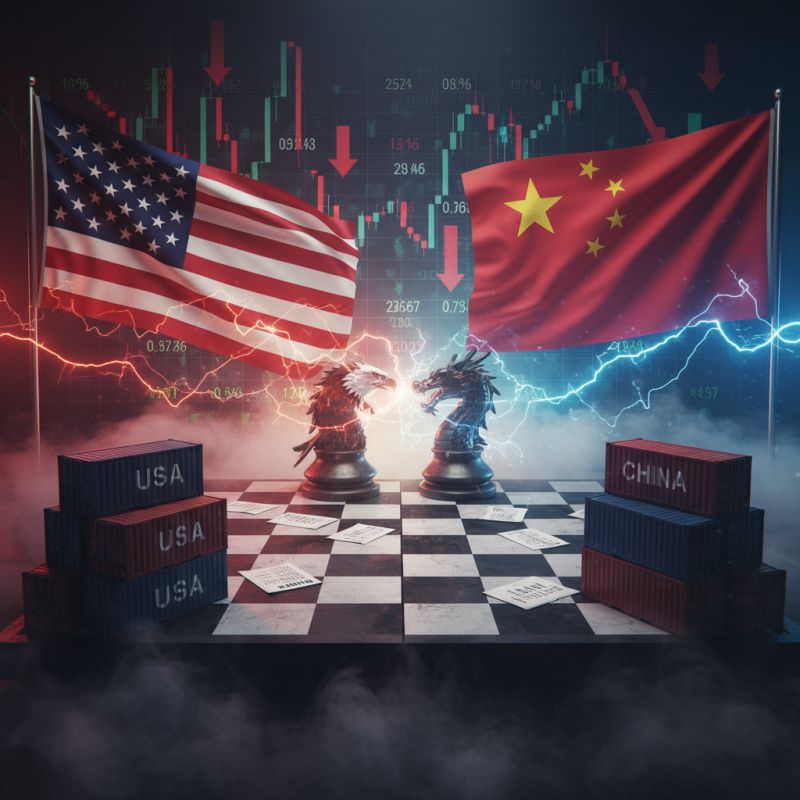
It has been roughly one year since President Donald Trump launched one of the most sweeping tariff campaigns in modern American history, imposing broad levies on goods from China, the European Union, Canada, and Mexico. As markets absorb the anniversary, the economic picture is complex: some industries have adapted, others are still reeling, and consumers are paying the price.
According to the Tax Foundation, Trump’s tariffs amount to an average tax increase of approximately $700 per U.S. household in 2026. While that may seem modest at the individual level, in aggregate it represents a significant drag on consumer spending power — the lifeblood of the U.S. economy.
Four Ways the Trade War Changed Everything
1. The US-China Break-Up Accelerated: The tariff war has dramatically accelerated the decoupling of the world’s two largest economies. China’s share of U.S. imports has fallen to multi-decade lows as companies rerouted supply chains through Vietnam, Mexico, and India.
2. Trade Partners Looked Elsewhere: America’s traditional allies began signing new bilateral agreements with each other and with emerging markets, quietly reducing their economic dependence on the U.S. market. The EU-China trade relationship, while tense, has grown in areas where American goods are no longer competitive due to retaliatory tariffs.
3. Tensions With Allies Built: Canada and the EU filed formal complaints with the WTO and implemented their own retaliatory measures on iconic American goods, from bourbon to motorcycles, creating political friction that extended well beyond economics.
4. Prices Rose in the U.S.: From electronics to automobiles, American consumers have absorbed higher prices across hundreds of product categories. Inflation data shows a measurable tariff premium embedded in goods prices, complicating the Federal Reserve’s path toward lower interest rates.
Wall Street’s Verdict
Despite the macro headwinds, U.S. equity markets are near all-time highs in April 2026, suggesting that corporate America has largely adapted through a combination of price increases, supply chain restructuring, and productivity gains — including AI-driven automation. For long-term investors focused on compounding returns, the lesson is clear: volatility creates opportunity, and patient capital ultimately prevails.